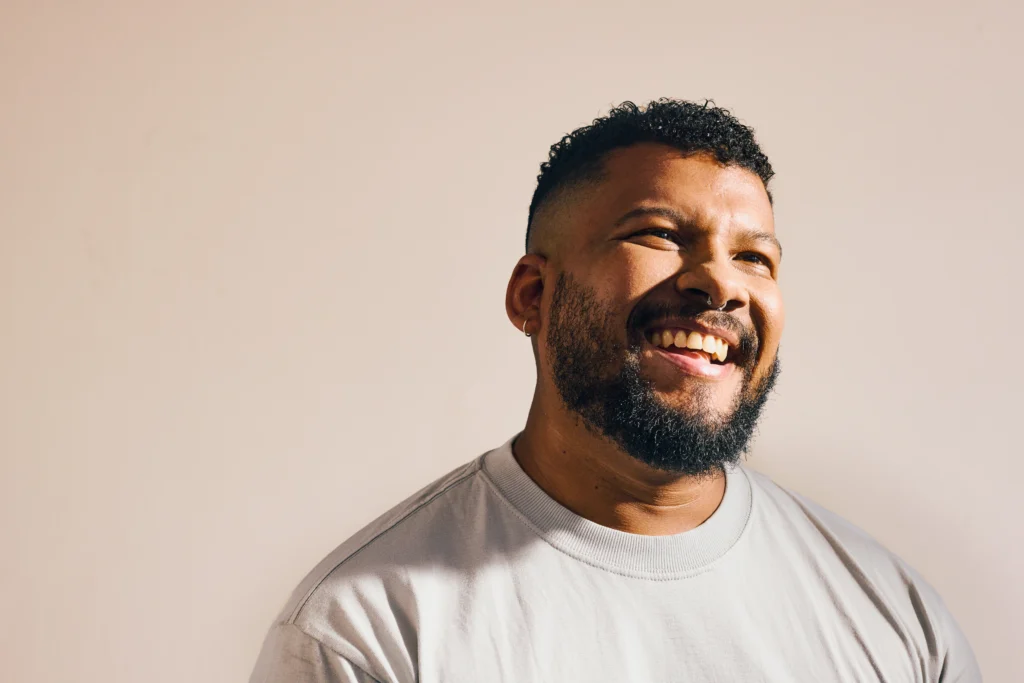
Building a Strong Support System in Recovery

Recovery from mental health and substance use disorders doesn’t happen in isolation. While the decision to seek help is deeply personal, lasting healing is often built together—with people who encourage, challenge and walk alongside us through both steady and uncertain moments.
Whether you’re newly out of treatment, years into recovery, considering care or supporting someone you love, one truth remains the same: a strong support system can make all the difference.
Why Support Matters in Recovery
Substance use and mental health challenges often thrive in isolation. Recovery, on the other hand, grows through connection. Support systems provide:
- Accountability during moments of temptation or stress
- Perspective when emotions feel overwhelming
- Encouragement when motivation runs low
- Belonging, which reminds us we’re not alone in this journey
Support doesn’t mean having all the answers—it means having people who are willing to listen, show up and stay engaged even when things feel messy.
What a Healthy Support System Looks Like
There’s no one-size-fits-all support network. Most people benefit from a mix of connections that serve different roles:
1. Peers Who Understand Recovery
Connecting with others who have lived experience in recovery—through alumni communities, peer support groups or 12-step and non-12-step recovery meetings—can be incredibly grounding. These relationships offer understanding without explanation and hope through shared experience.
You’re reminded: “If they can do this, maybe I can too.”
2. Family and Loved Ones
Family members, partners and close friends often want to help but may not always know how. Open communication, healthy boundaries and education around recovery can transform these relationships into powerful sources of support.
For loved ones: support doesn’t mean fixing everything—it means being present, patient and willing to learn.
3. Professional Support
Therapists, counselors, sponsors and recovery coaches provide structure and guidance. Even after treatment ends, ongoing professional support can help navigate life transitions, stressors and emotional growth.
Asking for help isn’t a sign of weakness—it’s a skill that strengthens recovery.
4. Community and Purpose
Support can also come from places that create meaning: volunteer work, faith communities, creative groups, fitness classes or shared hobbies. These connections reinforce identity beyond recovery and help build a fulfilling, balanced life.
How to Build (or Strengthen) Your Support System
If building support feels intimidating, start small. Relationships develop over time, and every step counts.
- Be honest about your needs. You don’t have to share everything—just enough to let others show up for you.
- Say yes to connection. Attend the alumni event, answer the text, stay after the meeting.
- Set healthy boundaries. Supportive relationships should feel safe, respectful and aligned with your recovery goals.
- Let go of “doing it alone.” Independence and connection can coexist.
Recovery is not about perfection—it’s about progress, supported by people who believe in that progress.
For Family Members: How You Can Support Recovery
If you’re supporting someone in recovery, your role matters more than you may realize. A few guiding principles:
- Educate yourself about addiction and recovery
- Listen more than you speak
- Encourage support beyond yourself (you can’t be everything)
- Take care of your own well-being, too
Healthy support is sustainable support—for everyone involved.
Staying Connected Beyond Treatment
At Silvermist, we believe recovery extends far beyond the walls of residential treatment. Connections with fellow treatment alumni, ongoing support and community are essential parts of long-term healing. Staying connected—whether through alumni events, shared experiences or continued check-ins—helps keep recovery grounded in real life.
If you’re reading this and feeling disconnected, it’s never too late to reach out. Support systems can be rebuilt, strengthened or newly formed at any stage of recovery.
Recovery isn’t about walking a straight line—it’s about learning how to navigate life with support, compassion and resilience. No matter where you are on the journey, you deserve connection, understanding and hope.
You don’t have to do this alone—and you never were meant to.