Why Does Your Heart Race When You Drink Alcohol?

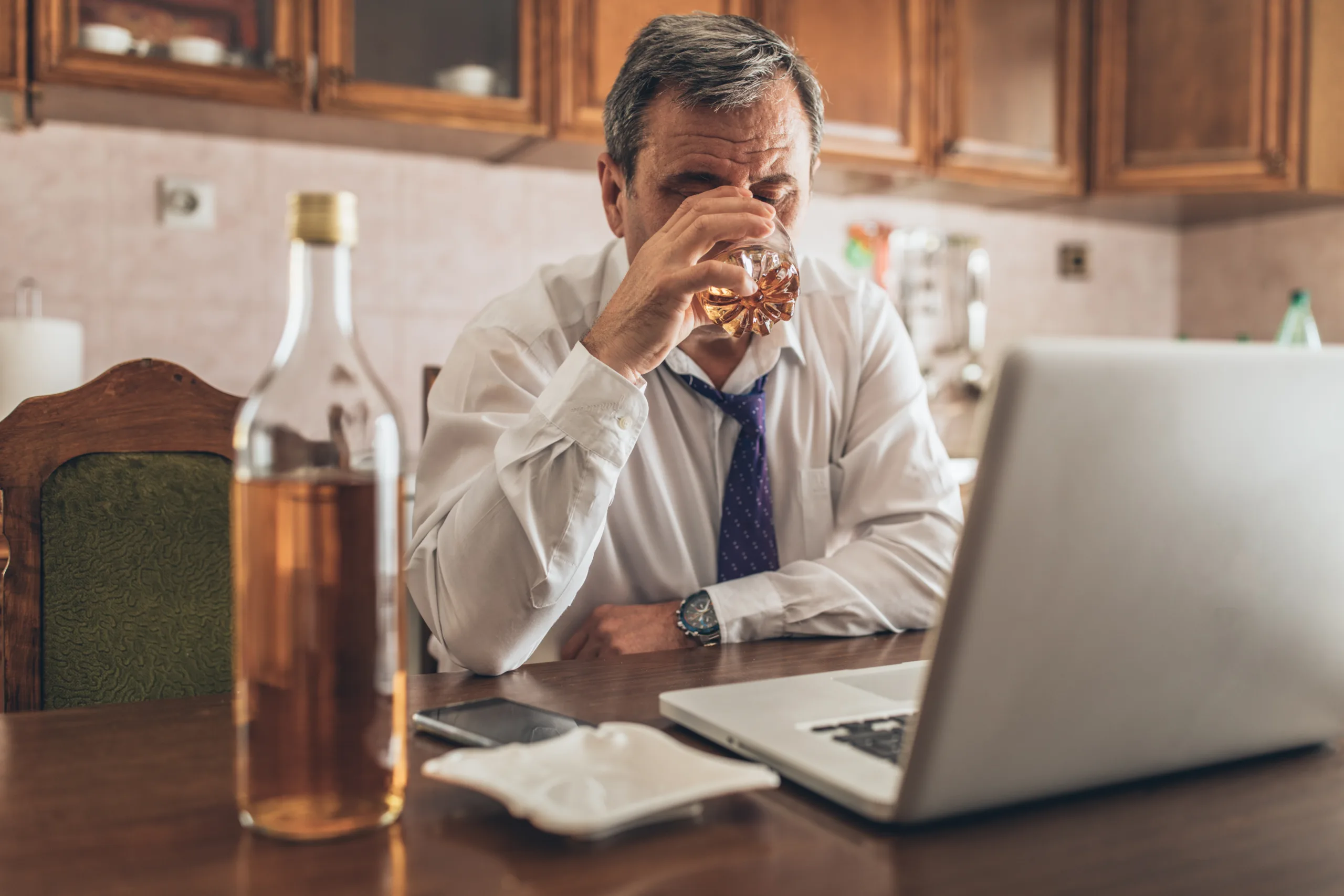
For many people, having a drink or two might seem harmless. But if you’ve ever felt your heart pounding faster than usual after drinking alcohol, you might have wondered whether it’s normal. The short answer is: not always.
Also known as alcohol-induced tachycardia, a racing heart can be a common reaction to alcohol. But in some cases, it may be a sign that your body is under more stress than you realize—especially if you drink frequently, combine alcohol with certain medications or have underlying health concerns.
Whether you’re researching this for yourself or you’re worried about a loved one, understanding how alcohol affects the body—and the heart—is an important step toward making informed decisions about health and recovery.
What Happens to Your Body When You Drink Alcohol?
When alcohol enters your system, it begins affecting your body right away. It’s absorbed into your bloodstream and starts to slow down your central nervous system. But paradoxically, it also triggers other systems to work harder. This includes your cardiovascular system (your heart).
Here’s what happens:
- Your blood vessels dilate (widen), causing a drop in blood pressure. To compensate, your heart may beat faster.
- Adrenaline and stress hormones increase, stimulating the heart.
- Dehydration sets in as alcohol acts as a diuretic, flushing out fluids and electrolytes that help regulate your heartbeat.
- Your body’s temperature, blood sugar and hydration levels shift, all of which can impact your heart rate.
For someone who drinks occasionally and in moderation, this may only cause mild changes. But if you’re drinking heavily or often, these effects can build up—and lead to more serious problems over time.
Why Does Your Heart Race After Drinking?
A racing heart after drinking alcohol is typically caused by a combination of vasodilation, dehydration and stimulant-like effects on the body. This condition—called tachycardia—can feel like your heart is fluttering, pounding or beating rapidly without reason.
You may notice it:
- Within a few hours of drinking
- After just a few drinks or only certain types of alcohol
- More intensely after several days of drinking in a row
- Accompanied by anxiety, lightheadedness or nausea
This can be especially concerning if you’ve never experienced it before, or if it starts happening regularly. While occasional palpitations might not mean anything serious, repeated episodes can be a red flag—particularly for people with underlying heart conditions or those who drink often.
Drinking for Several Days in a Row: What Changes?
If you’ve ever gone on a multi-day drinking binge—like over a holiday weekend or while on vacation—you may have noticed the effects start to feel different. That’s because your body is working harder and harder to process the alcohol, and your cardiovascular system is under continuous strain.
After several days of drinking, you might experience:
- Ongoing elevated heart rate or irregular rhythms
- Increased blood pressure
- Difficulty sleeping or heightened anxiety
- More severe dehydration
- Fatigue and mood swings
- Chest discomfort or shortness of breath
The heart, in particular, doesn’t get a break when you drink day after day. These symptoms can even persist into the next day or worsen during withdrawal if you suddenly stop.
How Alcohol Affects Heart Health Over Time
While a single episode of rapid heartbeat might be manageable, long-term alcohol use can significantly damage your cardiovascular system. Research has linked chronic alcohol use to:
- High blood pressure (hypertension)
- Irregular heart rhythms, such as atrial fibrillation (AFib)
- Cardiomyopathy, a condition where the heart muscle weakens
- Increased risk of heart attack and stroke
Alcohol can also mask or worsen the symptoms of heart disease, making it harder to know when something is wrong.
Can Alcohol Interact with Heart Medications?
Yes—and the consequences can be serious.
If you’re taking medications for heart or overall health, alcohol can interfere with how those medications work. Some common interactions include:
Blood Pressure Medications (e.g., beta-blockers, ACE inhibitors):
Alcohol can drop your blood pressure too low or make these drugs less effective, leading to dizziness, fainting or even arrhythmias.
Cholesterol Medications (Statins):
Since both statins and alcohol are processed by the liver, drinking can increase the risk of liver damage and reduce the medication’s effectiveness.
Blood Thinners (e.g., Warfarin, aspirin):
Alcohol increases the risk of internal bleeding and can make blood thinners dangerously potent.
Mental Health or Anxiety Medications:
Alcohol can intensify sedation, impair judgment and increase the risk of overdose—especially when mixed with benzodiazepines, antidepressants or sleep aids.
When Should You Be Concerned?
A racing heart after drinking might not always be a medical emergency, but you should take it seriously if you notice:
- It’s happening more frequently
- Your heart rate remains elevated the next day
- You experience chest pain, dizziness or shortness of breath
- You feel anxious or panicked alongside the heart racing
- You’re drinking more often to calm your nerves or avoid withdrawal symptoms
These may be signs that alcohol is no longer just a casual habit and is beginning to affect your health.
What If You’re Concerned About a Loved One?
If someone you care about regularly experiences a racing heart after drinking—or you’ve noticed changes in their behavior, health or mood—it’s worth having a conversation. Many people don’t realize how much alcohol is affecting their body until symptoms begin to interfere with their daily life.
You might say something like:
“I’ve noticed your heart seems to race when you’ve been drinking. Have you talked to anyone about that?”
Or:
“I read that alcohol can make some medications less effective. I’m just a little worried—have you felt okay lately?”
These simple questions can open the door to a more honest conversation about alcohol use and health.
Healing Is Possible. We’re Here to Help.
If alcohol is causing you physical symptoms—like a racing heart—or emotional distress, you’re not alone. At Silvermist, we specialize in helping people understand the “why” behind their drinking and rebuild a life free from the toll of alcohol use.
Whether you’re seeking help for yourself or looking for resources for a loved one, we’re here to support you—without judgment.
Call Silvermist today or reach out online to start the conversation. Healing begins with understanding—and we’re ready when you are.