
Mental Health Recovery for Women in the Poconos
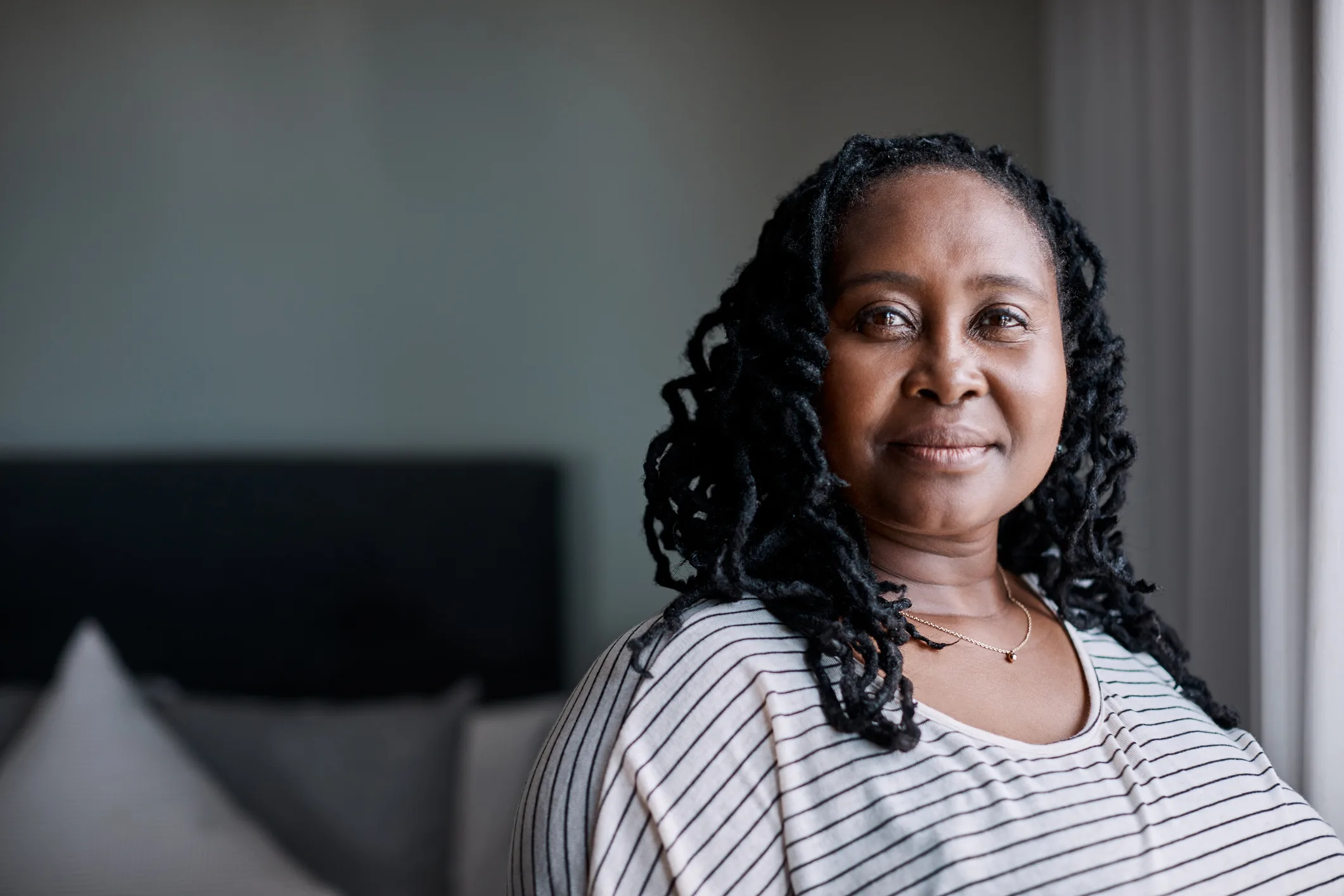
Mental health recovery can look different for every person. For women dealing with depression, anxiety, trauma or other mental health concerns, finding the right treatment environment can be an important part of the recovery process.
Residential treatment provides women with a structured setting where they can step away from some of the pressures of everyday life and focus on their mental health. For women seeking residential mental health treatment in the Poconos, a quieter environment combined with professional support can provide an opportunity to develop healthier habits and coping strategies.
Understanding Mental Health Recovery
Mental health recovery does not necessarily mean that difficult emotions or challenges will disappear completely. Instead, recovery can involve learning how to manage symptoms, understand personal triggers, develop healthier coping strategies and create a life that supports emotional well-being.
Professional treatment can help women better understand what they are experiencing and identify practical ways to manage their mental health.
Recovery may involve therapy, structured activities, medication management when appropriate, healthy routines, social support and continued care after residential treatment.
Why Residential Treatment Can Help
For some women, outpatient treatment may not provide enough structure or support. Daily responsibilities, stressful relationships, work demands or an unstable home environment can make it difficult to focus on mental health.
Residential treatment provides a temporary opportunity to step away from many of those distractions.
Living in a treatment environment can provide consistency throughout the day while allowing women to focus more fully on their recovery goals.
A structured environment may include time for therapy, meals, recreation, rest, personal reflection and other activities that support a healthy routine.
The Importance of a Supportive Environment
The environment where someone receives treatment can influence their overall experience.
A supportive residential setting can give women space to focus on their mental health without immediately having to manage every responsibility they face at home.
The Poconos can also provide a quieter setting away from the pace and distractions of a busy urban environment. This change of pace may give women additional space to slow down, reflect and participate more fully in treatment.
The environment alone does not treat a mental health disorder, but it can complement professional care.
Addressing Mental Health Challenges
Women may enter residential treatment with a variety of mental health concerns. These can include depression, anxiety, trauma-related symptoms, mood disorders and other conditions that interfere with daily life.
Treatment should be individualized because no two people experience mental health challenges in exactly the same way.
A personalized approach allows treatment professionals to understand each woman’s circumstances, symptoms, strengths and goals.
Developing Healthier Coping Skills
One of the goals of mental health treatment is learning how to respond to difficult emotions in healthier ways.
Everyone experiences stress, disappointment, fear, frustration and sadness. The challenge is learning how to manage these emotions without relying on behaviors that create additional problems.
During residential treatment, women can work on skills such as:
- Identifying emotional triggers
- Managing stress
- Improving communication
- Establishing healthy boundaries
- Practicing mindfulness
- Developing healthy routines
- Recognizing warning signs
- Building problem-solving skills
These skills can become valuable tools for managing challenges after treatment.
Creating a Healthy Daily Routine
Mental health struggles can disrupt sleep, nutrition, exercise, work, relationships and other areas of daily life.
Residential treatment can help women reestablish structure.
A consistent routine may include regular meals, appropriate sleep, therapy, physical activity, recreation, social interaction and time for personal reflection.
Creating structure does not mean every day needs to be rigid. Instead, it can provide stability while leaving room for flexibility and personal needs.
Building Confidence Through Small Steps
Mental health challenges can sometimes make everyday responsibilities feel overwhelming.
Recovery can involve breaking larger goals into smaller, manageable steps.
Completing daily activities, participating in treatment, practicing new coping skills and making healthy decisions can gradually help rebuild confidence.
Progress does not always happen quickly. Small improvements can still represent meaningful movement forward.
Connecting With Other Women
Mental health challenges can sometimes feel isolating. Residential treatment can provide opportunities to connect with other women who are also working through difficult experiences.
Healthy peer relationships can create a sense of community and remind women that they are not alone.
At the same time, meaningful connection does not have to replace professional treatment. Peer support and clinical care can work together as complementary parts of a recovery experience.
Learning to Set Healthy Boundaries
Relationships can have a significant impact on mental health.
Some women may struggle with saying no, setting limits, communicating needs or maintaining boundaries with family members, friends, coworkers or partners.
Treatment can provide an opportunity to explore these patterns and practice healthier communication. Learning to establish boundaries can help women protect their emotional well-being while maintaining relationships that are supportive and meaningful.
Preparing for Life After Residential Treatment
Residential treatment is only one stage of recovery. Preparing for the transition home is an important part of the process. Women may work with their treatment team to identify potential stressors and develop a plan for maintaining progress.
This may include continuing therapy, psychiatric care, support groups, healthy routines, family support or other recommended services.
Having a plan in place can make it easier to recognize challenges early and seek help when needed.
Choosing Mental Health Treatment in the Poconos
When considering residential treatment, families should look beyond location. It is important to understand the facility’s treatment approach, services, daily structure, staff, living environment and plans for continued care.
Women should receive treatment that is appropriate for their individual mental health needs.
Silvermist’s Poconos location provides residential mental health treatment for adult women in a structured setting. The program gives women an opportunity to step away from everyday pressures while focusing on treatment, personal growth and healthier coping strategies.
Recovery Is a Process
Mental health recovery does not happen overnight. It can involve setbacks, adjustments and periods of progress. The goal is not perfection. The goal is to develop the skills, support and confidence needed to manage challenges more effectively.
For women, creating space for recovery can be an important first step. With professional support, a structured environment, healthy relationships and practical coping strategies, women can begin building a stronger foundation for their mental health and their future.